Samegao Castle
A mountain castle in Joetsu, Niigata, where Uesugi Kagekatsu defeated his rival Uesugi Kagetora after Kenshin's death in 1578. The castle burned in the siege and evidence of the destruction is still visible in excavations.
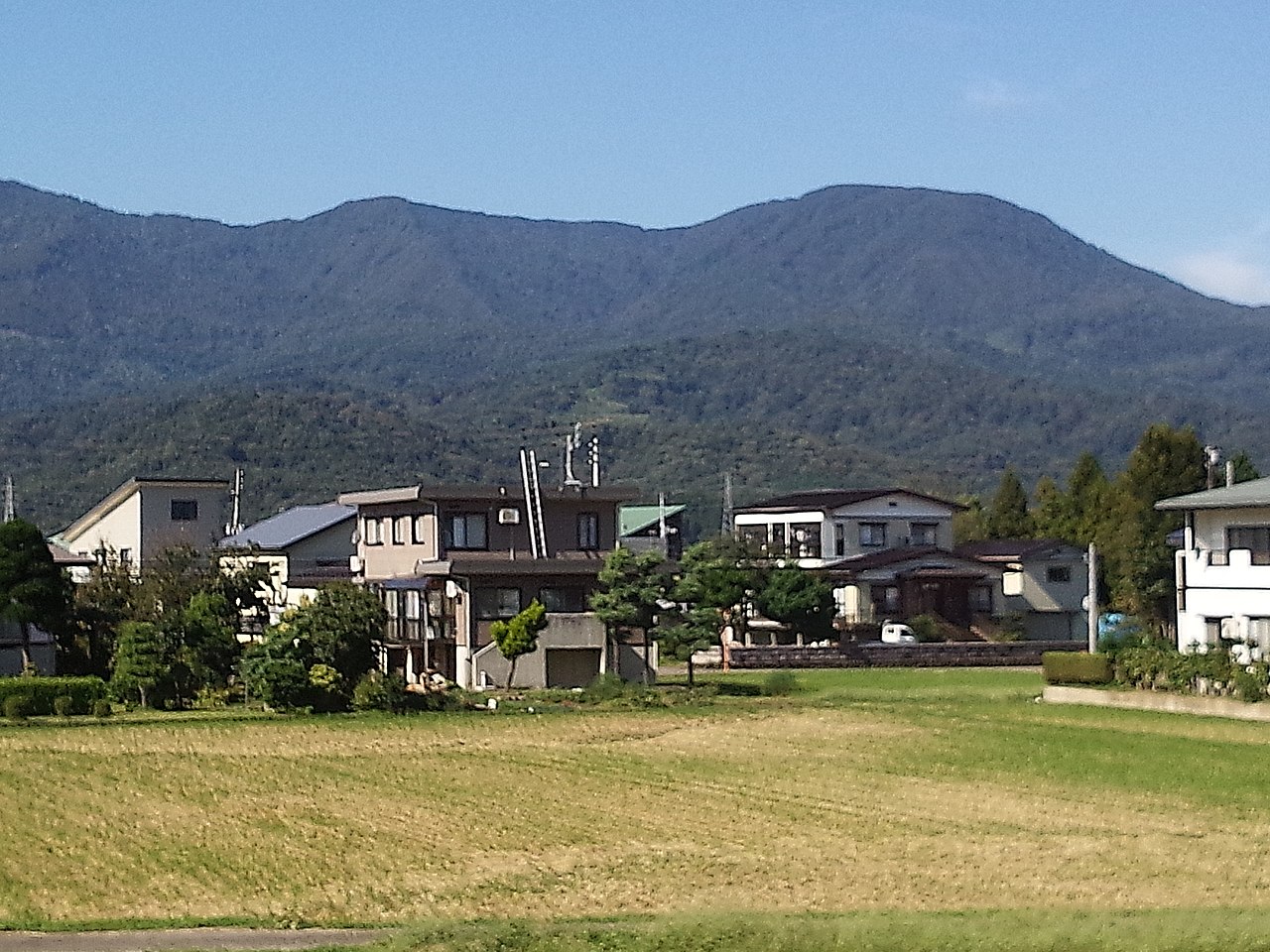
| Japanese Name | 鮫ヶ尾城 |
|---|---|
| Prefecture | Niigata Prefecture (新潟県) |
| Region | Chubu (中部) |
| Castle Type | Mountain Castle |
| Year Built | 16th c. |
| Designation | 続100名城 |
| Coordinates | 37.05, 138.2333 |
Samegao Castle occupies a strategic position on a mountain in Joetsu, Niigata Prefecture, and holds significant importance in the succession conflict that followed the death of Uesugi Kenshin in 1578. Selected as a continuation of Japan's 100 famous castles, this 16th-century fortress witnessed one of the Sengoku period's crucial power struggles between two ambitious heirs. The siege and destruction of the castle represent a pivotal moment in regional history when Uesugi Kagekatsu defeated his rival Uesugi Kagetora to consolidate control over the Echigo domain.
The castle's strategic location made it a natural fortress for maintaining regional dominance. When Kagetora sought to challenge Kagekatsu's authority following Kenshin's death, the castle became the focal point of intense military conflict. The siege lasted months and ultimately resulted in the castle's destruction through fire, a common tactic used to decisively end conflicts during the period.
What makes this castle particularly valuable to historians is the physical evidence of its violent destruction still visible today. Archaeological excavations have uncovered numerous artifacts and architectural remains that document the intensity of the siege, including burned timbers, destroyed defensive structures, and household items abandoned during the conflict. These findings provide rare material evidence of siege warfare and destruction patterns during Japan's feudal era.
Visitors exploring the ruins can observe the remains of stone walls and foundation patterns that reveal the castle's original layout. The site's mountain setting offers perspective on how defenders chose and utilized terrain, while excavation areas display findings that illuminate daily life during the late Sengoku period. The combination of physical remains and archaeological context makes this an important location for understanding regional military history.
Samegao Castle is recognized as one of Japan's second 100 castles as designated by the Japan Castle Foundation, a distinction that highlights its historical and architectural importance among the hundreds of castle sites across the country. As a mountain castle, its design reflects the defensive priorities and construction techniques of its era, with origins dating to 16th c. Visitors traveling to Niigata Prefecture can explore the site alongside other regional historical attractions.
On the Ground
| Address | Myoko, Niigata Prefecture, 944-8799, Japan |
|---|---|
| Car parking | 3 car parks within 1.5 km — nearest about 396 m away |
| Public toilets | None recorded within 1.5 km |
Car parks and toilets are counted from OpenStreetMap within 1.5 km of the castle coordinates, as recorded on 2026-08-15. They are not necessarily run by the castle, and OpenStreetMap does not record every facility — “none recorded” does not mean there are none.
Castle Hopping from Here
| Castle | Distance |
|---|---|
| Kasugayama Castle 春日山城 | 10.6 km |
Distances are straight-line between castle coordinates, not travel distance. Only castles within 30 km are listed.
Is It Original?
| Original keep still standing? | No — this castle is not among the twelve in Japan whose keep survives from the pre-modern period. Any tower here is a later reconstruction or the site is a ruin. |
|---|---|
| Classification on this site | Historic Ruins |
| Nationally designated properties recorded here | 1 |
| Recorded property names (Japanese) | 鮫ヶ尾城跡 |
The count of twelve surviving keeps is stated independently by the official sites of Matsue, Maruoka, Matsuyama and Bitchu Matsuyama (checked 2026-09-04). Each of the twelve carries its own source on its own page. The classification line below it is this site's own grouping, not an official designation. The designated properties below it come from the Agency for Cultural Affairs national database of designated cultural properties (国指定文化財等データベース), retrieved 2026-08-13. Official record. A missing line means no entry was found in that database — not that the property is undesignated.
Getting There
| Nearest station | Kita-Arai Station (北新井駅) — 2.2 km in a straight line |
|---|---|
| Daily passengers at that station (2019) | 480 |
Station distances are straight-line, measured from the castle coordinates. Passenger counts: National Land Numerical Information (MLIT), FY2019.
Location
View larger map — © OpenStreetMap contributors
Sources and What a Blank Means
Data on this page comes from OpenStreetMap, Wikimedia Commons, the Agency for Cultural Affairs national database of designated cultural properties and the National Land Numerical Information service (MLIT). Checked 2026-08-22.
A blank or missing line means we found no record in those sources — not that the castle lacks the thing. Admission fees, opening hours and access change without notice; please confirm with the official site before travelling.