Takatori Castle
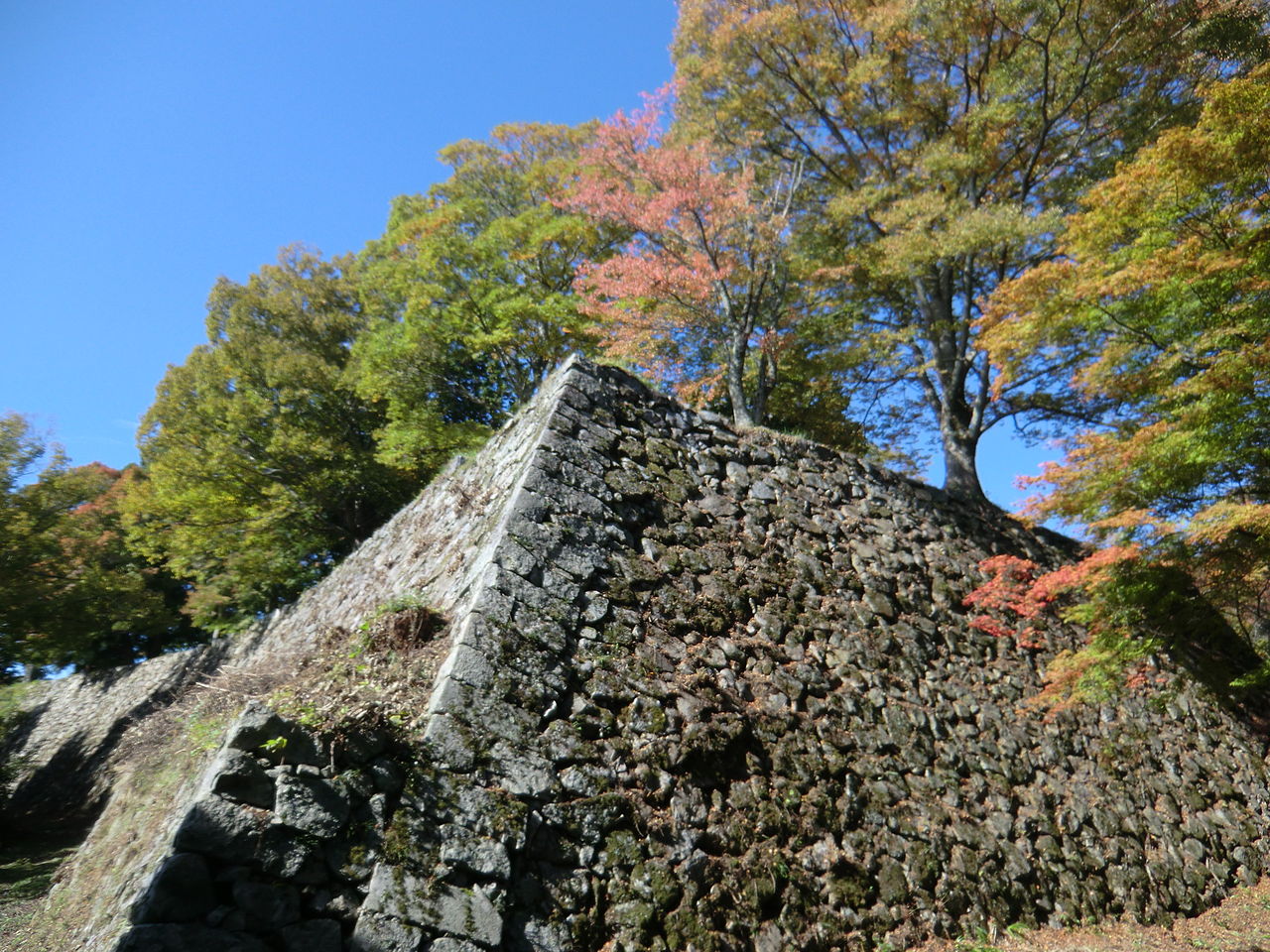
Perched 583 meters atop Mt. Takatori in Nara, this is the highest mountain castle in Japan and one of the most spectacularly located. Its vast stone walls — the best-preserved of any mountain castle — wrap around multiple tiered enclosures in the forest.
| Japanese Name | 高取城 |
|---|---|
| Prefecture | Nara Prefecture (奈良県) |
| Region | Kinki (近畿) |
| Castle Type | Mountain Castle |
| Year Built | 1332 |
| Designation | 100名城 |
| Coordinates | 34.45, 135.7917 |
Takatori Castle holds the distinction of being Japan's highest mountain castle, perched dramatically at 583 meters atop Mount Takatori in Nara Prefecture. This exceptional elevation provides not only stunning panoramic views but also represents one of the most impressively preserved castle sites in the country. Among Japan's 100 most celebrated castles, Takatori stands out for the scale and condition of its stone walls, which rival those of any other mountain fortress in Japan.
Constructed in 1332, Takatori Castle developed over centuries into a sophisticated defensive system that took full advantage of its extreme elevation and remote mountain location. During the Sengoku period, the castle served various lords and became increasingly fortified with additional stone walls and defensive structures. The castle's long period of active use resulted in multiple construction phases that are evident in the archaeological remains visible today.
The castle's defining feature is its extensive system of stone walls that wrap around multiple tiered enclosures ascending the mountainside, creating a complex defensive structure integrated seamlessly with the natural terrain. The preservation quality of these walls is exceptional among Japanese mountain castles, offering archaeologists and historians detailed evidence of medieval construction techniques. Stone has weathered centuries of mountain weather while remaining structurally sound, testimony to the builders' understanding of materials and methods.
The challenging climb to reach the castle site requires considerable physical effort, rewarding visitors with both historical insight and natural beauty. The journey itself provides perspective on the difficulties faced by those who originally occupied and defended this remote fortress. The combination of historical significance and spectacular location makes Takatori Castle a destination for those seeking to understand Japan's architectural heritage in its most dramatic setting.
Takatori Castle is recognized as one of Japan's top 100 castles as designated by the Japan Castle Foundation, a distinction that highlights its historical and architectural importance among the hundreds of castle sites across the country. As a mountain castle, its design reflects the defensive priorities and construction techniques of its era, with origins dating to 1332. Visitors traveling to Nara Prefecture can explore the site alongside other regional historical attractions.
On the Ground
| Address | Kibi, Takatori, Takaichi County, Nara Prefecture, 635-0154, Japan |
|---|---|
| Car parking | 5 car parks within 1.5 km — nearest about 366 m away |
| Public toilets | 1 public toilet within 1.5 km — nearest about 297 m away |
Car parks and toilets are counted from OpenStreetMap within 1.5 km of the castle coordinates, as recorded on 2026-08-15. They are not necessarily run by the castle, and OpenStreetMap does not record every facility — “none recorded” does not mean there are none.
Castle Hopping from Here
| Castle | Distance |
|---|---|
| Chihaya Castle 千早城 | 12.4 km |
| Uda Matsuyama Castle 宇陀松山城 | 17.2 km |
| Koriyama Castle 郡山城 | 22.4 km |
Distances are straight-line between castle coordinates, not travel distance. Only castles within 30 km are listed.
Is It Original?
| Original keep still standing? | No — this castle is not among the twelve in Japan whose keep survives from the pre-modern period. Any tower here is a later reconstruction or the site is a ruin. |
|---|---|
| Classification on this site | Historic Ruins |
| Nationally designated properties recorded here | 1 |
| Recorded property names (Japanese) | 高取城跡 |
The count of twelve surviving keeps is stated independently by the official sites of Matsue, Maruoka, Matsuyama and Bitchu Matsuyama (checked 2026-09-04). Each of the twelve carries its own source on its own page. The classification line below it is this site's own grouping, not an official designation. The designated properties below it come from the Agency for Cultural Affairs national database of designated cultural properties (国指定文化財等データベース), retrieved 2026-08-13. Official record. A missing line means no entry was found in that database — not that the property is undesignated.
Getting There
| Nearest station | Tsubosakayama Station (壺阪山駅) — 0.3 km in a straight line |
|---|---|
| Largest station nearby | Asuka Station — 1.8 km in a straight line |
| Daily passengers at that station (2019) | 2,112 |
Station distances are straight-line, measured from the castle coordinates. Passenger counts: National Land Numerical Information (MLIT), FY2019.
Location
View larger map — © OpenStreetMap contributors
Sources and What a Blank Means
Data on this page comes from OpenStreetMap, Wikimedia Commons, the Agency for Cultural Affairs national database of designated cultural properties and the National Land Numerical Information service (MLIT). Checked 2026-08-22.
A blank or missing line means we found no record in those sources — not that the castle lacks the thing. Admission fees, opening hours and access change without notice; please confirm with the official site before travelling.